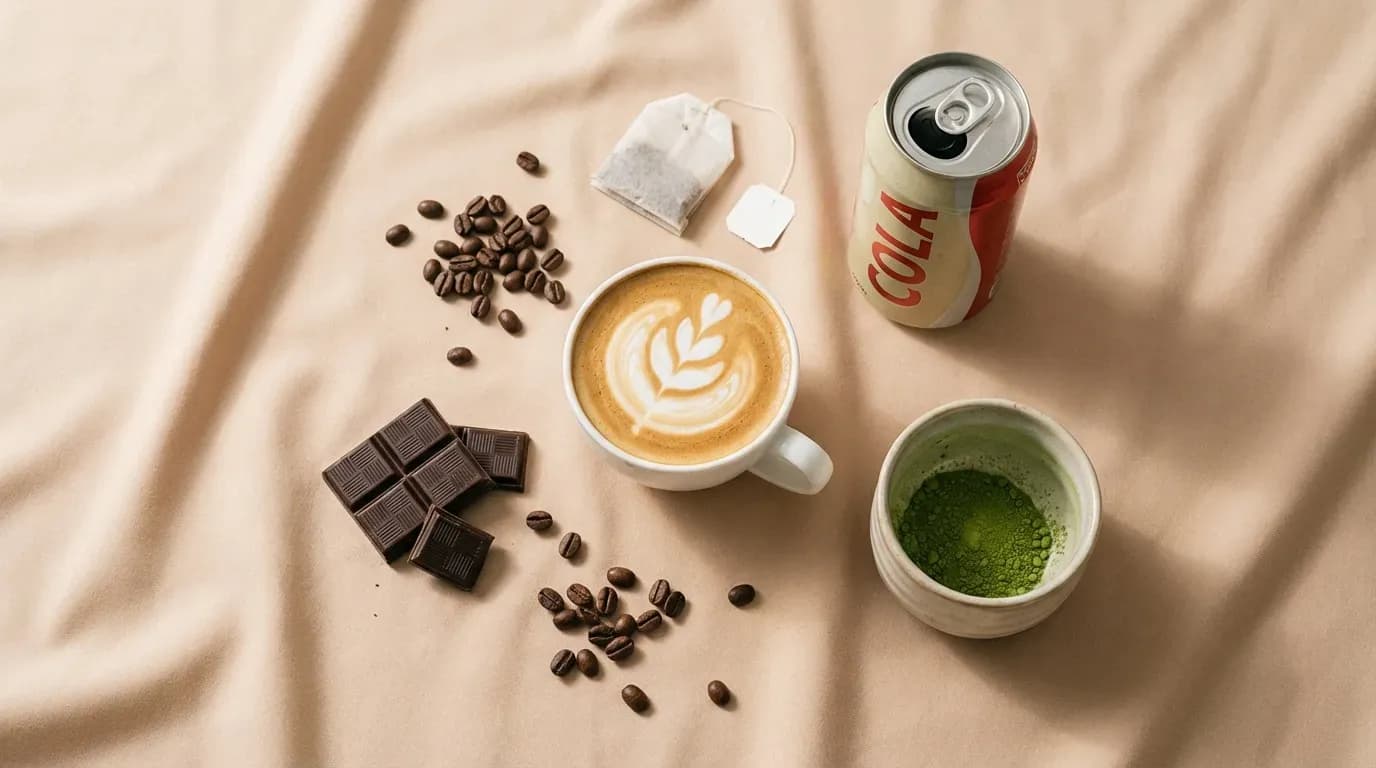
Let's be honest: if you're reading this, you're probably clutching a cup of coffee right now, wondering if you need to give it up entirely. Or maybe you already did, and you're desperately hoping someone will tell you it's okay to have just one.
Good news. You almost certainly don't need to quit coffee completely. But the full picture is worth understanding, because caffeine is one of those topics where the advice you'll find online ranges from "it's totally fine" to "don't touch it," with very little in between.
Here's what the evidence actually says.
The short answer
Most health authorities agree that moderate caffeine intake during pregnancy is fine. The NHS and the World Health Organisation recommend a limit of 200mg of caffeine per day during pregnancy. That's roughly one standard coffee from a cafe, or about two cups of instant coffee at home.
So no, you don't need to go cold turkey. But there's more to it than just counting cups.
Why is caffeine a concern during pregnancy?
Caffeine crosses the placenta. Your body can process it, but your baby's developing system can't break it down as efficiently. During pregnancy, caffeine also stays in your system much longer than usual. In the third trimester, it can take up to three times as long to clear from your body.
Research has linked high caffeine intake (consistently above 200mg/day) to:
- Lower birth weight. This is the most well-established association. Babies born to people who consumed high amounts of caffeine during pregnancy tend to weigh slightly less at birth.
- Increased risk of miscarriage. Some studies have found an association with high intake, particularly in the first trimester. The evidence here is more mixed, but it's the main reason most guidance errs on the cautious side.
- Preterm birth. A smaller number of studies suggest a possible link, though this is less conclusive.
It's worth noting that "association" doesn't mean "cause." Many of these studies have limitations, and confounding factors (like stress, diet, or smoking) can muddy the picture. But the 200mg guideline exists for a reason, and it's a sensible one to follow.
What does 200mg of caffeine actually look like?
This is where things get tricky, because not all coffees are created equal. A flat white from your local cafe is very different from a cup of instant at home.
Here's a rough guide:
| Drink / Food | Typical caffeine (per serving) |
|-------|-----------------|
| Filter coffee (250ml mug) | 95-165mg |
| Espresso (single shot, ~30ml) | 60-75mg |
| Flat white / latte (1 shot) | 60-75mg |
| Flat white / latte (2 shots, common in UK chains) | 120-150+mg |
| Instant coffee (250ml mug) | 60-100mg |
| Black tea (250ml mug) | 40-75mg |
| Green tea (250ml mug) | 20-45mg |
| Cola (330ml can) | 32-38mg |
| Dark chocolate (50g) | 20-50mg (varies by cocoa %) |
| Milk chocolate (50g) | 5-15mg |
| Decaf coffee (250ml mug) | 2-15mg |
A few things to keep in mind:
Cafe coffees vary wildly. A "regular" coffee from some chains can contain 200mg+ in a single cup, because they use double shots by default. If you're ordering out, ask for a single shot, or check the chain's nutrition info.
It adds up. A morning coffee, an afternoon tea, and a bit of dark chocolate after dinner could put you near or over 200mg without you realising. It's not just about coffee.
Decaf isn't zero-caf. It still contains a small amount of caffeine (around 7mg per cup), but it's low enough that you don't need to worry about it counting towards your limit.

What about when you're trying to conceive?
If you're TTC, caffeine is worth thinking about too. Some research suggests that very high caffeine intake (over 300mg/day) may potentially affect how long it takes to conceive. There's also evidence that high caffeine consumption can reduce the chances of assisted reproduction procedures (such as IVF) being successful. The evidence isn't as strong as it is for pregnancy, but if you're already being mindful about what you're putting into your body, keeping caffeine moderate is a reasonable step.
For men, high caffeine intake hasn't been as clearly linked to fertility issues, though some studies suggest it could affect sperm quality at very high levels. The evidence is inconsistent and inconclusive, but as with most things, moderation is probably the sensible approach.
It's not just coffee
Coffee and tea are the obvious ones, but caffeine shows up in plenty of other places too:
- Energy drinks. These can contain 80-300mg per can. Most guidance recommends avoiding them during pregnancy entirely, not just because of caffeine but also due to other ingredients like taurine and guarana.
- Pre-workout supplements. Often loaded with caffeine. Worth checking the label if you're still using them.
- Some medications. Certain cold and flu remedies, headache tablets, and migraine medications contain caffeine. Always check the packet, or ask your pharmacist.
- Chocolate. Dark chocolate has more caffeine than milk chocolate. A couple of squares won't be an issue, but a large bar could contribute meaningfully to your daily total.
- Soft drinks. Cola, some lemon-lime drinks, and iced teas often contain caffeine.
- Matcha. Often marketed as a "healthier" alternative to coffee, but a standard matcha latte contains around 70mg of caffeine. It's not the free pass it's sometimes made out to be.
Tips for cutting back (without hating everything)
If you're used to three or four coffees a day, dropping to one can feel brutal. Here are some practical suggestions:
Switch to half-caf. Ask your barista for half decaf, half regular. You'll barely notice the difference in taste, but you'll halve your caffeine intake.
Swap your second coffee for something else. Herbal teas (caffeine-free ones like rooibos, peppermint, or ginger) can fill the ritual gap without adding to your caffeine count. Just check that the herbal tea you choose is pregnancy-safe, as not all of them are.
Go decaf in the afternoon. If you're a multi-coffee person, keep your morning coffee as the "real" one and switch to decaf later in the day. This also helps with sleep, which you'll want as much of as you can get.
Don't forget the ritual matters. For a lot of people, coffee isn't really about the caffeine. It's about the warm mug, the five-minute pause, the routine. Decaf coffee, a warm drink you enjoy, or even just hot water with lemon can serve the same purpose.
The bottom line
Coffee during pregnancy or whilst TTC is fine in moderation. Stick to 200mg of caffeine per day or less, be aware of the hidden sources, and don't beat yourself up if you go slightly over once in a while. The guidelines are based on sustained, habitual intake, not the occasional extra cup.
The bigger challenge isn't the caffeine limit itself. It's knowing exactly what's in the things you consume, and making sense of the advice out there. That's true for caffeine, and it's true for everything from skincare ingredients to food additives.
That's exactly why we're building PregSafe: to give you clear, evidence-based answers about what's safe during pregnancy and TTC, without the hours of research. Join our waitlist to be the first to know when the app launches.
PregSafe is not a replacement for medical advice. Always consult your healthcare provider for personalised guidance.